Taking Down Old Wallpaper: Protection, Scoring, Adhesive and What Comes Next
Removal is a patient job, and the wall you uncover decides whether the paint that follows looks right.
October 21, 2026 · 4 min read
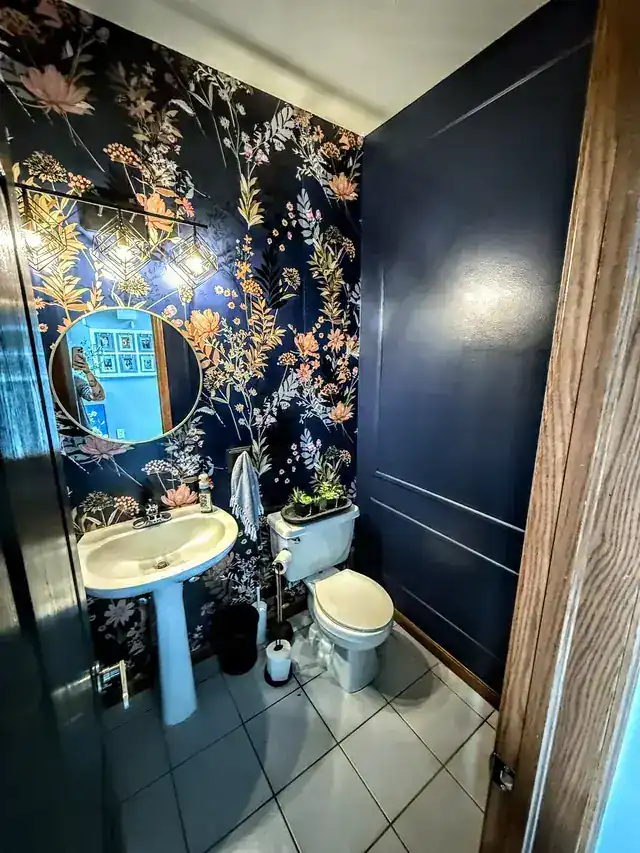
Wallpaper looks great when it is new and sometimes much less great twenty years later. The corners curl, the pattern no longer matches your furniture, or you simply want a plain painted wall. Taking it down is not hard in principle, but it is easy to do badly. Pull too hard and you tear the drywall surface. A careful removal leaves a smooth wall that is ready for paint.
What should be protected before anything comes off?
Wallpaper removal is wet and messy. Water, remover and bits of paper land on everything below the wall, so the floors, furniture, trim and outlets all need covering before work begins. The floor gets covered edge to edge, furniture is moved out or wrapped, and the baseboards and door casings are protected from drips that could stain or lift their finish.
Outlets and switches deserve extra care. Water and electricity do not mix, so cover plates come off, the openings get taped over, and the power is shut off around the switches and outlets when necessary. This is a basic safety step, and a good crew does it every time without being asked.
How does scoring help?
Many wallpapers have a coated or vinyl surface that sealed against moisture when it was installed, and that coating is exactly what keeps water from reaching the adhesive underneath. Scoring means making small cuts or perforations across the paper so water or remover can pass through the surface and soften the glue behind it.
The trick is to do this lightly. A scoring tool should break through the paper without cutting into the wall. Press too hard and you leave gouges in the drywall that will need to be filled later, which turns a simple removal into a repair. Scoring and perforating the paper first is what makes the rest of the work go faster and cleaner.
How does the paper actually come off?
Some wallpaper is strippable, meaning the top layer peels away dry in large sheets, often leaving a thin backing layer behind. Other paper needs to be soaked and scraped. You can usually tell by lifting a seam at a corner. If it comes away easily, you are in good shape. If it tears into small pieces, the adhesive is still strong and the paper will need moisture and patience.
- Peel the top layer first, working slowly from a seam.
- Apply warm water or a remover and let it soak in long enough to soften the glue.
- Use a wide scraper at a shallow angle so the blade slides under the paper instead of digging into the wall.
- Keep the wall damp, not drenched, and work in sections.
Rushing tears the drywall paper, and that means extra repair work.
Why does the adhesive have to come off too?
It is tempting to stop once the paper is gone and the wall looks bare. Resist that. A thin film of adhesive stays on the wall after the paper is removed, and it is sticky when wet and glossy when dry. Paint will not bond properly over it. It can bubble, peel or show the texture of old glue lines straight through the finish.
The adhesive needs to be washed off completely. That means scrubbing with warm water or remover, rinsing and letting the wall dry before moving on. We remove all of the wallpaper and all of the adhesive, because anything left behind shows up in the final paint no matter how good the paint is.
What condition is the wall in afterward?
Once the wall is clean and dry, you can see what the paper was hiding. Small nicks, torn paper facing on the drywall and old patches are common. In older homes with plaster walls, you may find cracks that the wallpaper had bridged. All of that needs repair before painting, and the right repair for each is different. Torn drywall paper is sealed and skimmed, plaster cracks are filled and sanded flat.
This is why wallpaper removal and drywall and plaster repair belong together. A wall that is sound, smooth and primed will take paint evenly. Skip the repair and every flaw shows in the finish.
What goes on the wall next?
You have two good options. The first is paint, which is the usual choice. Fresh paint in a color chosen for the room gives you a clean, flat surface and a wall that is easy to update later. The second is a new wallpaper, and it does not have to cover the whole room. A single accent wall, or a small space such as a powder room, can take a bold pattern in a way that a whole house cannot.
Painted walls throughout with a patterned paper in one small room can work well, especially with a door color that picks up a shade from the pattern. If you go with paper again, a smooth, clean wall is what makes it lie flat.
All Interior Painting handles the whole sequence, from protecting your floors and furniture to removing every bit of paper and adhesive, repairing the wall and painting it. We can also install accent wallpaper in select rooms. The wallpaper removal services page explains the process in more detail, and Dana gives free, detailed, itemized estimates. Call (412) 205-8263 to set up a visit.
All Interior Painting, (412) 205-8263
Call (412) 205-8263More articles
How to Choose an Interior Paint Color in the Room Itself
A small card under store lights tells you very little, so the room itself has to do the judging.
Painting Kitchen Cabinets or Replacing Them: What Each Path Involves
If your cabinet boxes are sound and your layout works, a careful paint job changes the whole kitchen.